Best BBQ Tools in 2026: What You Need, What You Do Not, and Why
Barbecue has an accessory problem. The category sells kits full of forks, skewers and basting brushes, and almost none of it touches a real cook. What a smoker actually asks for is reach, grip, heat protection and a way to measure temperature. Get those four right and you can produce competition-standard food. Get them wrong and no amount of stainless steel in a case helps.
Below are three picks covering the three real jobs, then the consumables and small tools that genuinely change a cook. Everything is compared on published specifications, materials and verified owner reviews. We do not test gear in person and we do not publish hands-on claims we cannot support.
Best BBQ tools by experience level
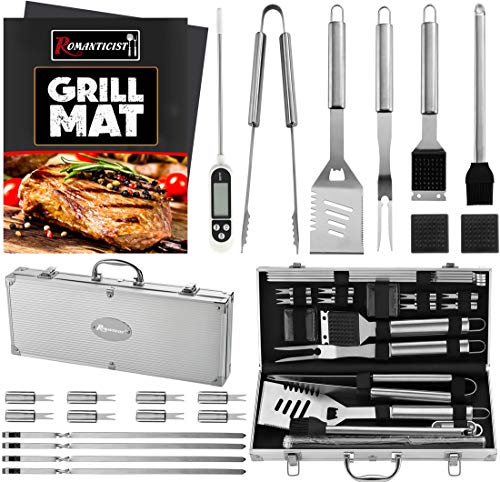
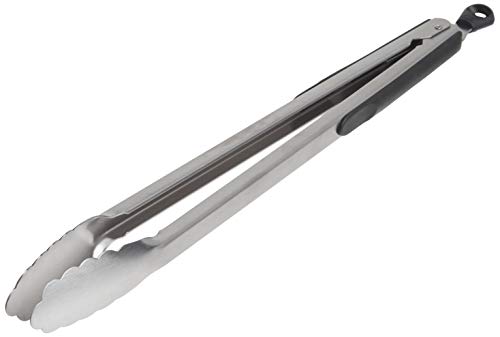
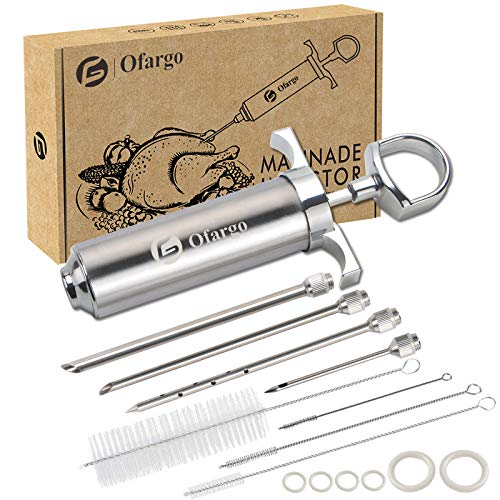
Why is one pair of tongs worth more than a 23 piece kit?
Because almost everything you do on a smoker is picking something up and putting it down somewhere hot. Sixteen inches of handle is what keeps your knuckles out of a 275°F chamber when you reach to the back of the grate, and light spring tension is what lets you lift a rack of ribs without the bones pulling through. Those two properties do more work than the other twenty two pieces combined.
The OXO locking tongs lock closed for storage, which sounds trivial until you own a drawer with three pairs of unlocked tongs in it. If you buy one tool from this page, buy this one, and hang it on the smoker handle where it lives.
The honest case for a 23 piece set is different and still real: setting up from absolutely nothing, in one order, in one case, for under $30. Just discount the dial thermometer that comes with it. Analogue dial probes in kits are consistently far enough out of calibration that they cannot be used for a safety decision, and this site will never ask you to use one.
What should you buy first, and in what order?
Priority here is not about price, it is about what each item prevents. A missing thermometer causes unsafe food. Missing gloves cause burns. A missing chimney causes lighter fluid in your dinner. Everything below those is comfort.
| Order | Item | Typical price | Prevents | Needed for |
|---|---|---|---|---|
| 1 | Calibrated instant-read thermometer | $40 | Undercooked or ruined food | Every cook, without exception |
| 2 | Heat resistant gloves | $30 | Burns to hands and forearms | Charcoal, offset, any hot grate |
| 3 | Long locking tongs | $21 | Reaching into a hot chamber | Every cook |
| 4 | Charcoal chimney | $14 | Lighter fluid taste, slow starts | Charcoal and offset cookers |
| 5 | Disposable aluminium pans | $14 | Grease fires, messy transport | Water pan, drip pan, resting |
| 6 | Pink butcher paper | $9 | A stall that never ends | Brisket, pork shoulder |
| 7 | Shredder claws | $10 | Burned fingers pulling pork | Pork shoulder |
| 8 | Rib rack | $24 | Running out of grate space | Cooking three or more racks |
Notice what is at position one. A calibrated instant-read thermometer outranks the cooker upgrade, the tongs and everything else, because it is the only item on the list that decides whether food is safe. Full picks are in our meat thermometer roundup, and the same ordering logic runs through the first smoker buying order.
What does a charcoal chimney actually change?
It removes lighter fluid from your food and it removes twenty minutes of standing around. A heavy duty chimney starter lights coals with two sheets of newspaper in roughly fifteen minutes, and the coals come out evenly lit rather than half burning and half raw.
That evenness is the part people miss. An unevenly lit charcoal load burns unpredictably, which means the cooker climbs and dips for the first hour while you try to set vents against a fire that has not settled. Pour fifteen to twenty fully lit coals from a chimney onto a full ring of unlit briquettes, bury two or three hickory wood chunks in the ring, and the fire creeps outward at a steady rate for eight hours or more. That is the whole method, and it is covered in detail in the temperature control guide.
Foil, butcher paper, or nothing at all?
Wrapping is the biggest single decision in a long cook after temperature, and it is a genuine three-way choice rather than a right answer. All three options are legitimate, and the trade is always the same: speed against bark.
| Method | Wrap at | Time saved | Bark result | Moisture | Best for |
|---|---|---|---|---|---|
| Unwrapped | Not applicable | 0 h | Firmest, driest crust | Lowest | Cooks with hours to spare |
| Pink butcher paper | 160 to 170°F | 1.5 to 2.5 h | Firm, slightly softened | Medium | Brisket, competition style |
| Heavy foil | 160 to 170°F | 2 to 3 h | Soft, partly steamed | Highest | Pork shoulder, ribs, tight schedules |
| Foil boat | 165 to 175°F | 1 to 2 h | Firm on top, soft underneath | Medium | Protecting the fat side only |
For paper, the specification is unwaxed, uncoated, unbleached. Waxed or coated paper is not for cooking. A roll of pink butcher paper at 18 inches by 100 feet costs less than $10 and lasts a season of briskets. The full argument is in foil versus butcher paper, and the mechanism behind why any of this works is in the stall explained.
What changes when you cook for a crowd, in the cold, or on a balcony?
For a crowd, capacity tools stop being optional. A rib rack that holds three racks on edge turns one grate into three, which is by far the cheapest capacity upgrade available and costs a fraction of a bigger cooker. Buy more full size aluminium pans than you think you need: they serve as water pan, drip pan, resting vessel and carrier, and they make transporting finished food to a table possible without a second dish.
In cold weather, the tool that matters most is the one that keeps the door shut. Every look costs roughly fifteen minutes of recovery on a charcoal or electric cooker, and on a 25°F day it costs more. A leave-in probe removes the reason to open the door at all. Spritzing also needs rationing in the cold: every spray cools the surface, and a fine mist spray bottle at least avoids the temperature crash a stream of cold liquid causes.
On a balcony, everything is about containment. Disposable pans catch drips that would otherwise reach the floor below, a chimney is safer than lighter fluid in a confined space, and long tongs let you work from an angle rather than leaning over a railing. Check building rules before you use any solid fuel cooker on a balcony at all.
Who should not buy the meat injector?
Anyone still learning temperature control. The injector is in the expert tier because it does something nothing else does, getting flavour into the middle of a nine pound butt that a rub never reaches, and because it comes with a real condition attached.
- It changes your safe cooking temperature. An injected whole cut must be cooked like ground meat, to 160°F rather than 145°F. If that is a surprise, you are not ready for the tool.
- It will not rescue a bad cook. Injecting a butt that ran at 320°F for four hours does not make it tender. Fire management does.
- It adds cleaning and contamination risk. Needles and barrels must be dismantled and washed properly every time, and leftover injection liquid that touched raw meat goes in the bin.
- Buy it once your cooks land where you expect them to, and you want to change the flavour of the interior rather than the surface.
What are the common tool mistakes?
- Using a fork. Piercing a cut lets rendered fat and juice escape. Use tongs, and use claws for pulling.
- Trusting the kit dial thermometer. It is decorative. Buy a real instrument.
- Spraying a stream instead of a mist. A stream washes the rub off and undoes hours of bark.
- Wrapping in the wrong paper. Waxed or coated paper is not food-safe for a hot smoker. Unwaxed pink butcher paper only.
- Using the same tongs and board for raw and cooked. The most common cross-contamination route in outdoor cooking.
- Buying capacity accessories before a thermometer. A rib rack does not make food safe. A thermometer does.
What consumables and small tools actually earn their place?
Seven items below cover wrapping, lighting, capacity, spritzing, pulling, smoke and containment. None of them costs much, all of them get used on most cooks, and the shredder claws at under $10 are the best value on the whole page if you cook pork shoulder.
Consumables and small tools worth owning

PH PERKHOMY Pink Butcher Paper Roll, 18 inch by 100 feet
Check price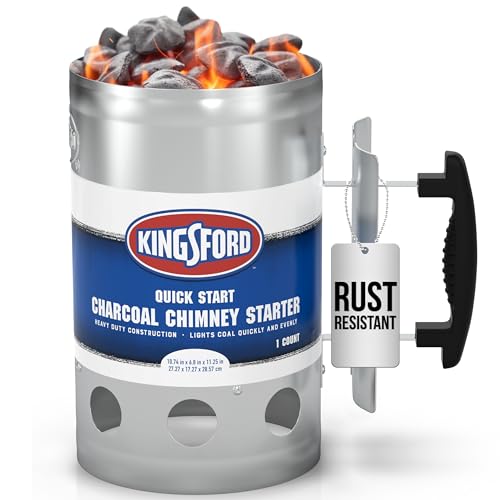
Kingsford Heavy Duty Charcoal Chimney Starter
Check price
SOLIGT Extra Long Stainless Steel Rib Rack, Holds 3 Racks
Check price
Smoke Kitchen BBQ Spray Bottle, 50 oz Adjustable Spritz
Check price
Alpha Grillers Meat Shredder Claws for Pulled Pork
Check price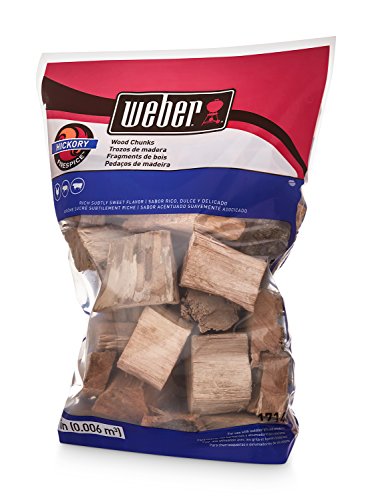
Weber Hickory Wood Chunks, 4 lb
Check price
Glad Disposable Full Size Aluminum Steam Pans, 2 Count
Check priceRelated reading
- Best BBQ gloves: the other half of handling hot food safely
- How to wrap brisket: the technique behind the wrap table above
- How to smoke pork shoulder: the cook that uses most of this list
- All gear guides